The 411 on Ponds in Fall
Fall is undoubtedly a great time to enjoy all of your hard work on your pond. With mild temperatures and the beautiful colors with the leaves changing, being outdoors during this season is a high priority for so many. Here are our tips to make sure you can enjoy your pond to the fullest this fall.
Leaves
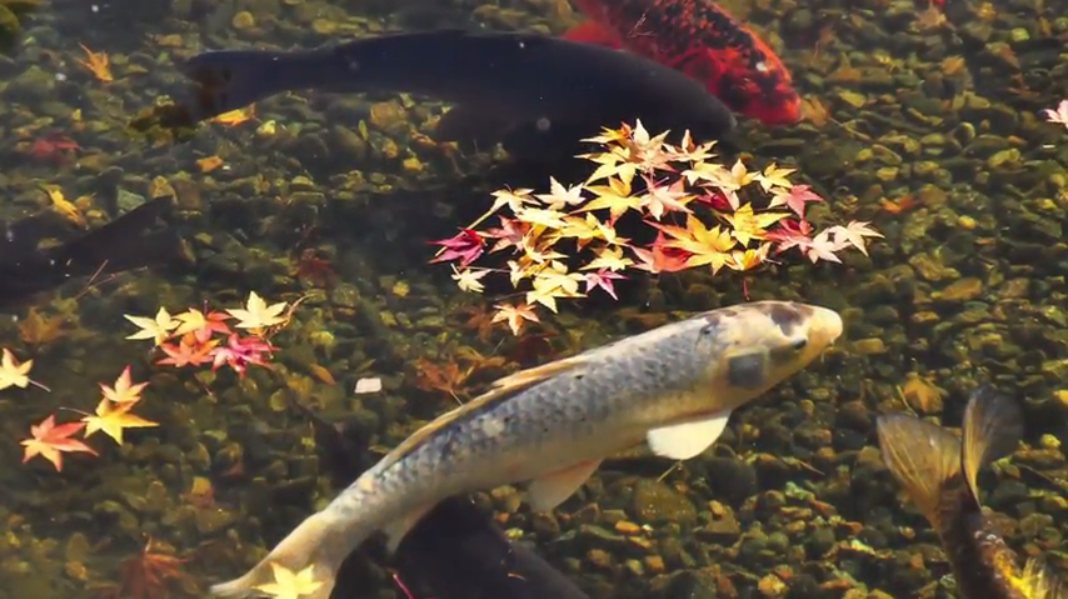
This is the biggest concern you will need to have as a pond owner in fall. Make sure all of those falling leaves don’t make their way into the bottom of your pond. Once they sink to the bottom of your pond the decaying process starts to affect your water quality and the cleanliness of your pond. This will create a sludge like layer and will release toxins into the water. This is particularly important to avoid for ponds with fish, plants, and wildlife. If you have a skimmer installed, make sure to check the basket regularly for leaves for optimal performance. You can also use a fish net or pond vacuum to remove leaves from a pond. Don’t worry if one or two leaves miss your grasps, use a beneficial bacteria boosting water treatment to reduce the organic load of the leaves or if you notice a layer of sludge, treat with the Sludge Remover.
Temperature Changes
As temperatures begin to drop, pond fish will naturally adapt to the changing temperatures. They will start to become less active as temperatures cool. It is important to maintain a feeding schedule that matches that activity of your fish. In fall once the water temperature declines to 60°F, you will want to begin to decrease feedings to every other day or smaller amounts each day. This reduction in food given will reduce uneaten food in the water which is helpful for reducing the sludge layer. The reduction in food given also helps your fishes’ health as they aren’t able to burn through the nutrient load during these cooler months with lower activity.
Aeration
In the fall aeration provides a stabilizing effect on the pond's water temperatures. It will also continue to aid in oxygenation and water flow as the weather cools. Fall loads up the pond with lots of organic debris that the beneficial bacteria are trying hard to remove. Pond aeration will produce a healthy amount of oxygen and circulation that will boost this process.
Maintenance
Keep up with routine pond cleaning and checking your filter and pump. As we mentioned above, make sure to clear out leaves when you see them. It is also a great opportunity to work ahead to prepare for closing the pond in winter. Consider trimming back aquatic plants and completing a partial water change to make sure your water levels are well balanced before temperatures drop to the freezing levels.
Once you have a fall routine down, you will be able to kick back and enjoy your favorite parts of this season. For more information about fall pond maintenance, browse our blogs. You can also find everything you need for Fall here.